
Sourcing Enterprise GPUs at Scale: RTX PRO 6000 Blackwell, RTX 5090, and the 2026 AI Hardware Crunch
The hardest part of building AI infrastructure in 2026 isn't the software — it's getting the hardware at all. Blackwell-generation allocation is tight across the entire channel, pricing moves weekly, and lead times on server-edition cards can stretch for months if you're going through the wrong supplier.
We know because we live it. A single recent request-for-quote through our desk covered 100 units of the NVIDIA RTX PRO 6000 Blackwell Server Edition — roughly $1.6 million in compute for one deployment — alongside regular ten-unit workstation and GeForce orders for labs, studios, and builders.

RTX PRO 6000 Blackwell vs. GeForce RTX 5090: which one is your workload?
These two cards get cross-shopped constantly, and the right answer depends entirely on what you're running:
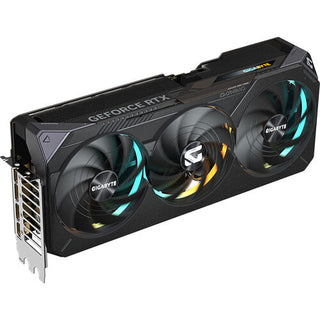
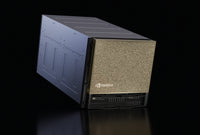
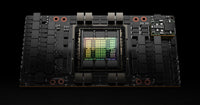
- RTX PRO 6000 Blackwell Server Edition (96GB) — built for rack-mounted, passively-cooled server deployments. This is the card for AI training clusters, inference at scale, and any workload where 32GB of VRAM isn't enough. Large language models and high-resolution generative workloads eat VRAM; 96GB of GDDR7 is the difference between running the model and not.
- RTX PRO 6000 Blackwell Workstation Edition (96GB) — the same 96GB in an actively-cooled workstation form factor, with certified drivers for professional applications. Ideal for engineering simulation, film-grade rendering, and desk-side AI development.
- GeForce RTX 5090 (32GB) — the flagship gaming and creator card, and a legitimate choice for smaller AI experiments, fine-tuning, and single-node rigs. At CES 2026, high-end 5090 builds dominated the show floor. For many studios, a pair of 5090s is the right stepping stone before jumping to PRO-class hardware.
What buying at scale actually involves
Fulfilling a large GPU order isn't the same as shipping one card. TAA compliance matters for federal buyers — both our RTX PRO 6000 Blackwell lines carry TAA-compliant, federal-eligible sourcing. Allocation has to be secured across distributors without inflating your price. Delivery may need to be staged as racks come online. And someone has to answer honestly about what's in stock right now versus what's a paper promise — as of this writing, we're holding nearly 300 units of Server Edition inventory and two dozen workstation cards, physically allocated.
Advice for buyers in this market
Move decisively when allocation appears. In this market, hesitation on a confirmed quote frequently means re-quoting at a higher price two weeks later. Size VRAM first, then everything else — VRAM is the hardest constraint to retrofit. And buy from a supplier who will quote in writing with real inventory behind it, purchase-order and NET-30 friendly if you're institutional.
Whether you need one workstation card or a hundred server GPUs, request a quote on any product page — volume pricing is real, and most quotes turn around within one business day.




Deixe um comentário